Episode Transcript
[00:00:00] Speaker A: Sa.
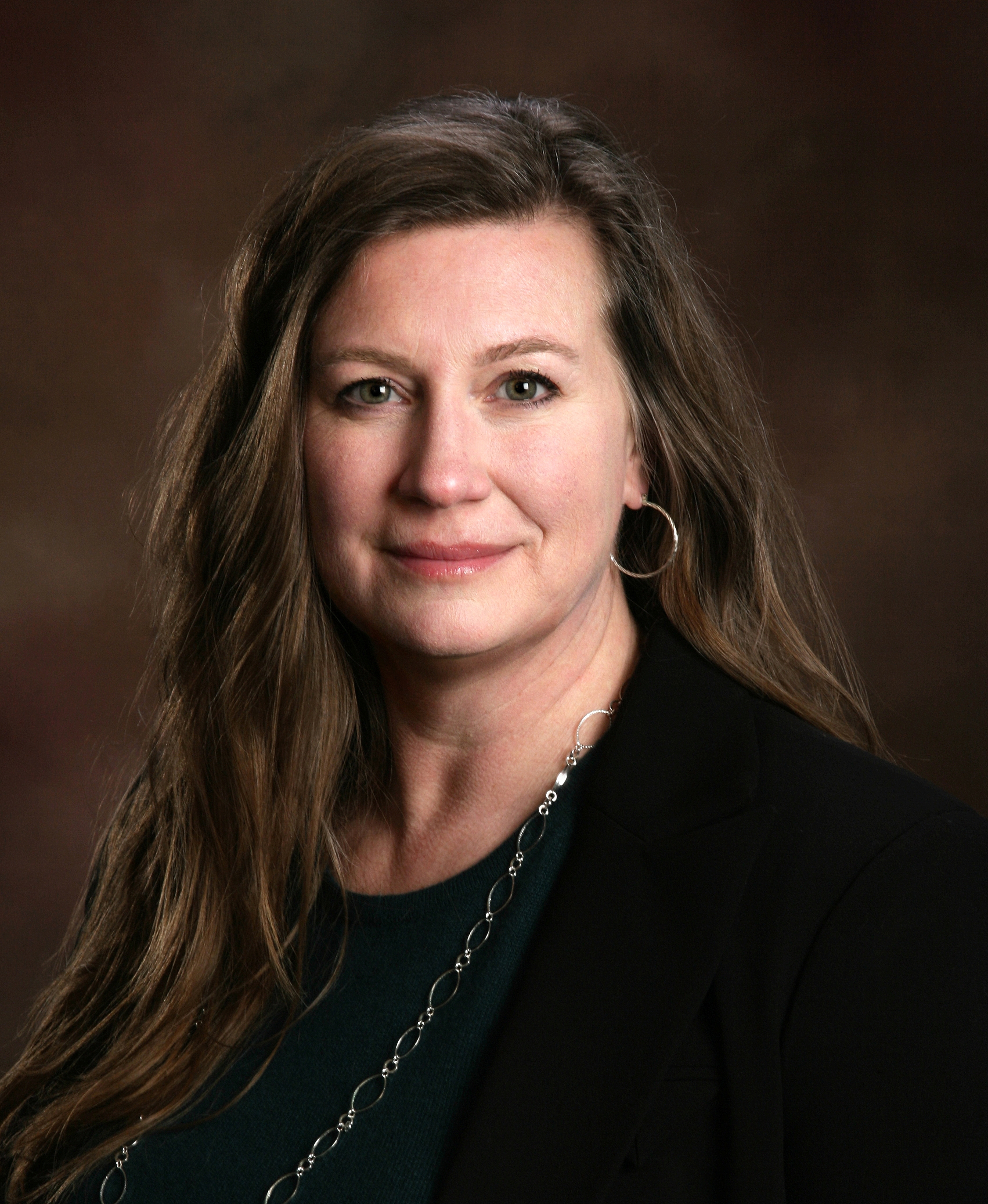
[00:00:44] Speaker B: Well, welcome everybody. Happy Monday to another edition of Unbolted. I'm MJ Bolt, your host and with us today we have Tim Woodworth. Tim is running for school board in the ME School district. Tim, thanks for being with us today.
[00:00:58] Speaker A: Thank you so much, mj really appreciate it.
[00:01:00] Speaker B: You betcha. Tim is one of the Spokane County Republican Party recommended candidates for this race and you can go to spokaneop.com to see all of the recommended candidates. But his, he is the recommended candidate for this particular race. So we're excited to present Tim to you all and let our citizens be informed voters and get to know you, Tim. So thanks again for being with us today. So let's get into this and tell everybody about yourself, what your background is and why you decided to run for this position. What motivated you to run for the school board for the Mead School district?
[00:01:43] Speaker A: Yeah, pretty simple story.
I've always been a Republican voter.
We've, we've been a conservative family.
Grew up in. My dad was a pastor and grew up in a church.
So our care for the community has always been there. Inspired by my parents.
And then we moved. We lived in the Midwest for my upbringing, Chicago and Indiana. And then we moved out here in 92 and so was already graduated through high school, got a job at the Coeur d' Alene golf course as a caddy or as a greenskeeper and then a caddie and then got into some construction for about a decade. Met my wife at church here in Spokane which was probably the best thing that ever happened out of my experience there. And then we got married and I needed a good job in the community.
I went to, had a friend who was in worksource asked what the two best jobs in Spokane were and she suggested the railroad or at the time it was Goodrich Aerospace.
And my sister had actually put together the benefits package form. So I knew that it was a good job for families starting out and came in great. Came in real handy for the time we had a special needs daughter 10 months after we got married. So having good benefits, having a good community here in town was a big deal for us.
And then just work through manufacturing. I started at the very bottom. Started actually in a textile product which got kind of got my, my feet wet.
And then we had 911 occurred. So that was 2001. 911 occurred and our company was pretty faithful to our employees and decided to keep me and move me to the machine shop. Didn't have any machining background and started to work my way through learning how we machined Our product, which is airplane brakes, and did that for about five years. Promoted through the system, became a working lead. So I led people of about eight for 13 years.
And then through our company started doing a rotational experience and learned how to be more of a manager type. So I got into technician roles and into management. And then I've known Michael Cannon, who is the president of Mead school board for about 30 years.
We went to the same church together a long time ago. And he said to my wife, he said, I'm looking for some help from the school board. And she said she wasn't really interested in that. And I said I would be. So wasn't a whole lot of consideration. It was kind of the last minute registration to run for a district director was that evening. And he asked me if I'd be willing to do that. Where I was thought I was going to be taking notes, but it was actually a board position. So I.
My experience in manufacturing gave me an interest in how the mechanisms of a large business works. The one that I work for is massive. And so there are policies and systems that need to be followed. Obviously airplane breaks are really important to an airplane. So it has to follow really specific guidelines and instructions. So it's a good fit to learn how I think the school board works. We have two children that have graduated from Meade and one that's sophomore in high school at Meade. And so it's been really interesting the.
The market. The school market, I would say, and how many changes have happened over the last few years. And you know, I've been really impressed with the school board and the decisions they've made over the last few years. And so my knowing that Michael Cannon was the Meade school board president, I was really interested in learning how that would work. And so when he offered, I was excited to have the opportunity to learn how to be a candidate and to learn how a school board works or how what a school board does. And so it's been. It's been great. It's been really eye opening. The campaign sign has been very eye opening. Have no familiarity with it. And. And then looking forward to have hopefully have the opportunity to be a part of school board and learn more how that system works. But just meeting people, running, you get to meet a lot of people and hear what their interests are. Got to meet with superintendent Hanson and hear some of his thoughts. Had an hour of time with him and so just really impressed with how he goes through managing a school system and the policies that he uses, the infrastructure that he follows that makes sense. To me, it's been really good and listening to what the school board's been working through and a little bit about how that works. But yeah, it wasn't like I pre planned it. It's more the opportunity. Opportunity came up. It's a good fit for what I already do, which is supervising a machine shop and a finishing department and trying to take care of needs, trying to follow policies and trying to help people to get the services and understand how our system works to make sure that they can be successful in their day. So I see. I feel like it's a good transition to the school board to see how I can help in that area. But it's really a service.
My type of work is providing better clarity. And I think that being transparent in a school board is very similar to that. And so. And learning how to function in a big organization is something I'm pretty familiar with. So I think it would be a good tie in. I think it'd be good at it.
[00:07:38] Speaker B: Yeah. Yeah, for sure. There's so many things that you've said.
Number one, I've been very impressed with Mead school board directors and they've been very thoughtful. You know, I had Alan on earlier this year, Alan Nolan. And this is. This is not an easy time for school board directors. Ever since COVID you know, school board directors have been between a rock and a hard place. The policies coming down from the state and what the parents, the local community and the citizens want.
And so, you know, it really takes that finesse to really do this job well and find that sweet spot. And so my hat's off to what Mead has been doing. And they've been championing, you know, some not easy decisions. And I think I'm really impressed. And what I know about you, Tim, is I think you would make a great fit. The other thing that I think is really important and is timely for. For you coming in on the scene is your experience in the aerospace manufacturing. You know, we have this huge pipeline of manufacturing in the aerospace industry in Spokane. And I know it has been a real struggle getting these jobs filled.
And so, you know, how do we get kids that students, you know, young adults prepared to enter into these great jobs that are needed. I mean, there's just. There's a challenge there, a huge challenge in our area, a huge need.
And so to help bridge those gaps, I think, you know, you can really help with that since that's the industry you work in.
[00:09:16] Speaker A: It's so true. And manufacturing is great for Spokane.
You know, I think the medical and the teachers opportunities that we have in Spokane, but there's a lot of construction opportunities. But manufacturing to me is a type of career where you can build a substantial income for your family, where you can have 401k matching type scenarios, where you can have medical and dental and all the things that would be important for a young family starting out or a family who's been trying to find some stability. So I like manufacturing. It's actually really fun to learn how to be as efficient as possible.
It's really fun to work with a big group and a big or and support a bigger organization. So I've really enjoyed it.
Last year my group interviewed 80 people.
So knowing what the market's providing is definitely part of my reason for running for the school board. And I appreciate you bringing that up. That's absolutely true. And the statistics that's really stuck in my mind recently is that nationwide about 50% of all young men are not going to try college.
And I believe it's somewhere around 43% for young women. So having opportunities like manufacturing, knowing how to interview, knowing what's important to be prepared for those types of jobs is directly in line with why I would want to run for the school board. So it's definitely one of the reasons. And honestly, you know, I want my kids to be prepared, all of our kids friends to be prepared.
And so I think this is just an extension of what we've already been working on, my wife and I, so.
[00:10:58] Speaker B: Yeah, yeah, yeah, that's good point. That's really good. So Tim, tell everybody, what is your vision for the school district at Mead? What is your vision for what it provides for students?
[00:11:11] Speaker A: Boy, that's a big one. So I think for us, part one of the main reasons why we moved was the schools.
You know, we like the community, we like what it has to offer, but the schools was a big part.
We came out of District 81. We live close to Franklin park and we had a good experience with the teachers there, but just wanted. We were interested in the culture in Mead and we had heard good things.
Our daughter, who has special needs, went to Mead High School.
And I was just blown away by the culture there at the time. It was Principal Nasalin, I believe, and I was just shocked. Our daughter would play basketball during halftime, at basketball games and all the students would stay, they would cheer them on as if they were cheering on the varsity boys or girls team. And I just, I've never seen that before.
[00:12:07] Speaker B: Was that true Unified Sports by chance?
[00:12:10] Speaker A: Yeah, it sure was.
[00:12:12] Speaker B: Yeah, that was a Great program. I'm very familiar with it. Yes.
[00:12:16] Speaker A: Yeah, yeah. And I mean, our daughter going through DLC, there was her teacher, Mrs. Ginnay was such a huge influence for us. You know, any parent that has a special needs child going through high school in particular and that that age, it was such. I would say my wife and I were in a somewhat of a crisis, if not a crisis. And Mrs. Ginnay really came beside us and would meet with us on weekends and even weeknights and give up her own time and helped us get to that season. But all that to say, the culture at Mead was just unbelievable for us.
Man, I got lost in that. I forget what the question was.
[00:13:00] Speaker B: Well, your vision. Your vision for the school district. Yeah, so.
[00:13:04] Speaker A: Yeah, so I was blown away by that. So I think just being a part of that culture and communicating the transparency that the school had with us, we had so many questions, and it was a difficult time, so that was really important. I would like to keep that transparency going and the good interaction between teachers and the staff and the administration.
I think also, as I said, the CTE program, the career technical education is obviously one of my primaries.
Really care about people knowing, young people knowing their decimal places. Being able to read technical jargon, be able to communicate in the terminology that's required for the job, is really important to me. It's important to, like you said, the manufacturing possibilities in our area.
Yeah.
Transparency and that type of education.
Obviously, I want to be a good listener. One of the best parts of campaigning, one of the best parts of going door to door, one of the best parts of putting your sign out there, is that people are willing to share some of their stories with me. So it's been great just to be someone who can hear, who can say, I don't really know how to resolve that or how the system works yet, but I do care about their kids competing, my kids competing in the market they're going to face. So I think that's really my drive. The other thing is, in the work that I do, teamwork is so important.
You have to bring something different. Everybody has to bring something a little different.
And I feel like what I would bring to the school board is a little bit different from what is currently there, but the desire to work as a team, to have a voice, to be willing to use it, to have a similar vision, in this case, to stand up for our kids when it's difficult to stand up for our kids. I feel like there's so much culturally going on that a school board district director should Be able to know what's appropriate for the school system and how to work with the superintendent is also a really important thing. That was kind of a long answer, but. Yeah.
[00:15:24] Speaker B: Well, it's a very good answer because it's complex. I mean, it's not a simple role.
And, you know, there are so many things that you want for our children, which are students, which is so important, you know, but that's. It's great because people get to understand what's driving you to do this. What's really cool is, I don't hear this is a stepping stone for you to get, you know, into politics more like this. Like, you want to make this a good experience for every student.
And it's interesting to me because I have, you know, I. I kind of come. I was on the school board, and I have a son with special needs. So I have that in, you know, common with you, and I know other people that. That, you know, that situation has caused them to be more involved, and it kind of can lend itself to doing that. But what's cool, too, about your experience is, is that you have kids kind of all over the spectrum, you know, an ability, and so you kind of got all ends of it right. So it's not just one perspective. And. And that's really important, too, because having those different perspectives helps inform you of how the whole system is going. And, of course, being a good listener is primary on that. So, Tim, why do you believe people should vote for you over your opponent in this race?
[00:16:50] Speaker A: You know, that's. That's a great question, because I haven't been asked that a lot, so I really appreciate the opportunity. I think what I've heard from my opponent is that we need to follow state guidelines, we need to follow state rules, and that he would be blue in the face saying that. So, yes, I think we need to follow the law, and to my knowledge, the school board has been following the law. But that does not mean that you don't advocate for your school system to be supported. If the concern is safe places for our young girls. I have two daughters, so safe places for our daughters to have safe locker rooms or safe bathrooms, and the state is not in alignment with that, then as a parent, as a school board, district director, you need to fight that. You need to follow the law, but reach out to any resources that can help you be to fight that battle. So fortunately, our country is willing to support it federally, but our state is not. So that's one area where I think Martin and I would disagree, and I like you mentioned earlier, the Meade school board was one of the first to reach out to the federal government for support, and I'm so glad that they did.
You know, I think. I hope that the pendulum swinging back in those regards and we can start using some common sense in regards to making sure our kids are having a good educational experience, that they're learning what they need to do to be competitive, like I mentioned earlier, but that it can feel safe, that they can have, you know, freedom to be and do what they need to do without being attacked by the culture. And I. I'm definitely a proponent of, you know, common sense and making sure that our kids are, you know, able to be who they're supposed to be, who they can be in school, and get all that they can out of it. Not so much focusing on things that are gonna change from time to time or really fast, actually. So.
[00:19:03] Speaker B: Yeah, yeah, yeah, that's.
[00:19:05] Speaker A: And.
[00:19:06] Speaker B: And again, this is why having a good listener and somebody that's willing to do the work, to go doorbelling, to get out there, put yourself out there to listen to parents to find out, you know, how do they feel about this? How do they feel about how their kids experiences? You know, are they. Do they have daughters that are afraid to use the bathroom, are afraid to use the locker room because of the situation?
These are so important, because if you just rely on right now, state got, you know, the law and policy, it. It. It pushes up against a lot of these.
You know, like, you've talked about the culture of meat and the culture of our families and what our families want and our citizens want for our kids. I. You know, my kids graduated.
Geez Louise. Almost ten years ago now. It's a different situation. It is a very different situation. Of course, they're boys, too, but, you know, there's so much pressure on these kids, and it's very important. If our kids don't feel safe in these schools, you know, what can we do about it? So I really appreciate that answer. And, you know, the complexity of the times we live in right now. Of course you're gonna abide by the law, right? And. But it gets very sticky, especially like during the COVID days when you had the state mandating, you know, that you close schools or, you know, the mass and stuff, and they were holding the purse strings over district's heads and the superintendent's heads, and yet parents were demanding something different. It gets very, very sticky. And what we need to have are people that are going to not be afraid to stand up. And like you said, Take every avenue to share those parents concerns. Right. And not just rubber stamper.
So I see that in you, Tim, and I'm excited for you to be part of that system as well. What would you say your top priorities are? I know we've kind of, you know, glossed over them a little bit, but just another opportunity for you kind of to lay out what are your top priorities as for becoming a school board director.
[00:21:21] Speaker A: Yeah. So, you know, I think it's all having a positive experience at Mead. Like I said, my perception of Mead has been high.
And you know, I think, I think I would say my number one concern is helping kids to compete in the market they're, they're going to face. And cultural things are part of it.
My stance on cultural things is care for the person first.
That doesn't mean it's just everything is allowed. You care for the person you want. I want to make them feel heard for sure. I want to be somebody who's safe to hear those things. But that doesn't mean that it's. Everything's allowed.
So is the best way for our kids to compete in their market to be aware of all the social things that are going on, all the cultural things that are going on, all the social media and things like that. And I don't think that those are the primary things. I think it comes down to math, I think you can, comes down to reading, I think it comes down to knowing history, it comes down to be able to work well with others. And that inclusive attitude that the school had towards my daughter is exactly what I'm talking about in regards to that. So someone who didn't potentially fit in like my daughter was so welcomed with, with all the things that she did that were outrageous at times and unfamiliar. And I just remember her walking down the hall at Mead and she's, she's short statured, so maybe 4, 11 or 5 foot or something like that. But you would think she was 6 foot because she just walked so proud in the school. She's just so comfortable there and so felt so welcome. So I would definitely want to continue that environment in all our, in all the Mead schools.
And that has a lot to do with the teacher culture. It has a lot to do with the staff that work there and listen to the needs that she had.
It had a lot to do with the optional learning that Meades provides. Honestly, that's one of the best things that I like about Meade is the optional learning that they've developed.
Our kids were in regular classrooms in Mead in the Mead school system at Northwood and at Meade High School.
And we started hearing about, I think it was 2020, maybe 2021. We started hearing about optional learning and there were five different types of classes that kids could take. And at the time Meade School for us was limited and getting kind of working through Covid and then working after mass and when things were opening. But then we started looking at other options that Meade had and started going to Five Mile Prairie which our kids went into some our son more reluctantly and so got him in there where they could develop their own education. So our oldest daughter is an outgoing, shares all her opinions. Everything's in color, everything is using the full page to describe our second oldest, way more reserved.
She's very interested in psychology and HR type stuff. She's 18, she graduates with an AA in December. And she's very interesting young lady. She got a job at a funeral home. So that might tell you a little about her. She very enjoyable person but she's. She likes the humanity side of people. She likes learning how people work. And our son is a negotiator, he's an athlete. He races bmx. He finished up third in the state this year. I'm very proud of him. But he likes to negotiate his high school. So what that means to him is that he's going to get his counselor and he's going to get his parents in the same room, which we did not drive. He did and he negotiated what his classes would look like. And I just think that's so perfect that a high school would provide that because I think it drives straight into what colleges are starting to look at where it's more driven by all these different options for classrooms, whether it be taking classes at home or on the computer or some kind of hybrid. So I just love that that's an option for me. So for him and for our daughter. So I would say yeah, I would like to continue those things.
Just feel like I went all over the place. But the culture, helping kids to have opportunities to prepare for the future, to compete for those jobs that they're going to be competing for, to understand what's going on in the culture. But really be prepared for math based trades or like my daughter, HR psychology type humanity type of care or my son, whatever he's going to do, I don't know if he's going to be a astronaut or he's going to be own a long care business, probably going.
[00:26:05] Speaker B: To be all the above.
[00:26:09] Speaker A: But how cool that you can do that through Mead. So and there, yeah there's lots of opportunities and there's lots of opportunities in the community. That's awesome. I would like to keep it going.
[00:26:20] Speaker B: Yeah, for sure. How would you handle a situation where pay, parents, teachers and the administration disagree on a major policy issue?
[00:26:31] Speaker A: Well, let's see.
So we just finished the negotiations with the teachers contracts and, you know, it was getting really close to a strike and I'm really proud of both groups for figuring it out. I, of course, wasn't at the table, but I heard that it was about a 90 out 90 hours of, you know, going back and forth trying to figure out what would work best and come into an agreement. So it says a lot about what's already there.
So what to do in those situations, it's. I'm totally willing to be a part of those conversations.
There's definitely going to be disagreements. Our country is very split, but. But, you know, figuring out how to articulate and work as a team to make sure that we're communicating a good message that makes people feel like they can be heard. I think in any kind of negotiations where people disagree, it comes down to listening.
I would say the large majority or a lot of what I do in my current job is listening, making sure that people can get the services that they need to get and are aware of policies that we have.
Another thing about Superintendent Hanson that stood out to me is when things come up, it's not the board's responsibility to handle the day to day or the micromanaging, but to refer to the systems and the policies that the school already has set up. So making those resources available, just perpetuating the work that they've already done to set up systems so that people know where to go if they need resources or if they need to communicate any issues so that we can hear better and see that data.
I'm a big data person, and by that I mean I constantly work with pulling data at work.
We're constantly developing, trying to develop new systems to make sure that we're meeting our demand and making sure that we know where we're at in any given time. And so I'm a big data person, so I feel like that's a great tool to communicate, to bring clarity, at least for me, my type of person. And not everybody's like that, but I think a lot of people just need to be heard.
[00:28:39] Speaker B: Yeah, yeah. And let's talk about that, because right now you're campaigning, you're going out door to door, you're meeting people.
Once elected, how do you plan to keep that Communication lines open for you personally, Tim? You know, obviously, the school district has mechanisms, too, to make sure they're hearing from the community.
But how would you, as an elected official, ensure that you're continuing to hear the community's voice?
[00:29:06] Speaker A: Yeah, so my phone number's out there. It's on my signs. You could definitely reach it that way. I'm on Facebook. You can go to www.timformee.com and you can put your comments in there. Totally happy to be a part of that. I. I really do enjoy hearing different perspectives. I really enjoy trying to be helpful.
So I would say that's how people can reach out to me.
Let's see. Yeah.
[00:29:32] Speaker B: Yeah.
[00:29:33] Speaker A: So that would be my primary advice.
[00:29:35] Speaker B: And that's. That's really the great thing about campaign, you know, having to campaign is you do get connected to the community.
It kind of forces that to happen, but you also have to want to meet with people, too. Final comments. Anything else that you want to make sure that the voters know about you.
[00:29:52] Speaker A: Tim, about me as a person. Let's see.
[00:29:57] Speaker B: Or about your. About what you're standing for and why they should choose you.
[00:30:01] Speaker A: I think the distinction that I mentioned earlier is pretty much the biggest thing. I think that I want to follow the law, and I want to honor any pledge that I would make to be that a school board district director would have to make and need to make.
But I'm totally willing to fight to protect the things that are important to our community.
I mentioned a couple, but really my fight is for kids competing, being able to compete in a market that they're going to face.
And I would say safety is another big one that we really need to stay vigilant as a school system. We need to stay vigilant in this crazy world that we're living in and preparing for that and learning what kind of tools are out there. And I know the current school board has already spent a lot of time working on that, is continuing to work on policies that would help prepare our kids, would help keep our kids safe.
And I know they really care about being a good. Having a good relationship with the superintendent and his staff. And so the difference between me and my competitors just basically that I'm willing to fight for those things. And I feel like my competitor is really interested in following the guidelines of the state. And so that's a huge concern for me. I think it should be a huge concern for any conservative parent.
So any parent needs to fight back the wolves.
And I think when I was young, my dad fought back the Wolves for the market that. That he needed to face, for the culture that he needed to face. And so it's. It's. I want to be this to be my time for that. So I'm willing to do that. And it's important.
[00:31:43] Speaker B: Yeah, it is important.
[00:31:45] Speaker A: You know, one thing I was going to say is I think there's. There's a couple areas in our local community that. That really matter to every family. I think it's like maybe city council and sheriff's department. It's also the school board, and that's where our kids live. That's where our kids spend a lot of their time. It's a lot of the influence. And if I could speak to any parent, it's that. That's the. That's one of the most important roles. And you being a school board district director in the past would know that. It's really part of the heartbeat of a family, is where their kids are, can they be safe, are they being truly prepared for their future? So that would be. Probably my main message is that is. That is, you know, it's super important. Our school board directors are really important. And so any support for the current school board or if I got elected in that would be really huge. To make sure our community knows that we're making decisions that affect every family that has a child going to this school. Not only that, it affects our community. Our kids go about our community and knowing how to treat people as respect and how to, you know, handle themselves appropriately and. And hopefully I can set a good example for that.
[00:32:56] Speaker B: Yeah, I, you know, I hadn't thought of this because it's been quite a long time ago, but, you know, a school district's reputation also attracts people, and it attracts, you know, people make decision about where they're going to live based on a school district, whether or not they have kids in school or not. You know, a school district that has a good reputation will attract even citizens that don't have kids in school because the property values. When I came to Spokane, gosh, 30. How many years ago?
88. My mom from Weiser, Idaho, my mom chose Mead School District because it had the reputation of being a very good school district. And it had a good golf team, of course, you know, so it matters. It absolutely matters. And I really appreciate you talking about that, Tim, because please, please make sure that you vote in these elections. This is so important. I know, you know, last year's election gets all the hoopla.
We get, like, 85% of people voting in the presidential election, and then it like 10, you know, tens typically to really fall off the cliff for these off year elections. But these are the ones that impact you locally. This is what impacts your schools, your community, your property values, your, you know, and your kid most of all, your kids, your students experience.
And so please make sure to vote. Ballots drop in like three days. They're going to probably get in your. Be in your mailbox later this week.
And please make sure to vote. Don't stick it in a pile. You can go to spokanegop.com where Tim and other people that have been vetted by the, you know, Spokane County Republican Party, you know, have been awarded their recommended candidacy.
So if you don't know who to vote for, that's what we're trying to provide you. Here is an opportunity to get to know these candidates like Tim.
So it's so important. And then what is it only like three, you know, 21 days after that is when November 4th is going to be right here.
[00:35:09] Speaker A: Right.
[00:35:10] Speaker B: So you're gonna be busy.
So Tim, tell people where again where they can find more information or get in contact with you at.
[00:35:18] Speaker A: Yep. Www tim4me.com should come right up. You can find me on Facebook also. Same, same title. Tim, for me.
Yeah, yeah, super important.
You know, it's been great to be endorsed by the current school board, Michael and Brianne and Alan and Jennifer. So, you know, if you like the direction the school board's going, I'm part of that group and let's keep it going.
[00:35:46] Speaker B: Yep, absolutely. I think you guys are doing them. They're doing a very good job and I think you would be a great addition.
Tim, thank you again for spending time with us today to help the voters get to know you better.
I, you know, wish you the best. Blessings to you and your family and, and again, thank you for stepping up. This is not, you're not getting paid a lot of money to do this, like no money, you know, you're. This is out of the goodness of your heart and it's a service and I hear that in your comments and, and your, you know what you're talking about. So thank you again for stepping up to serve in this capacity and blessings to you and your family.
[00:36:24] Speaker A: Thank you very much. Mj.
[00:36:25] Speaker B: All right, take care.
[00:36:27] Speaker A: You too.
[00:36:50] Speaker B: Sa.