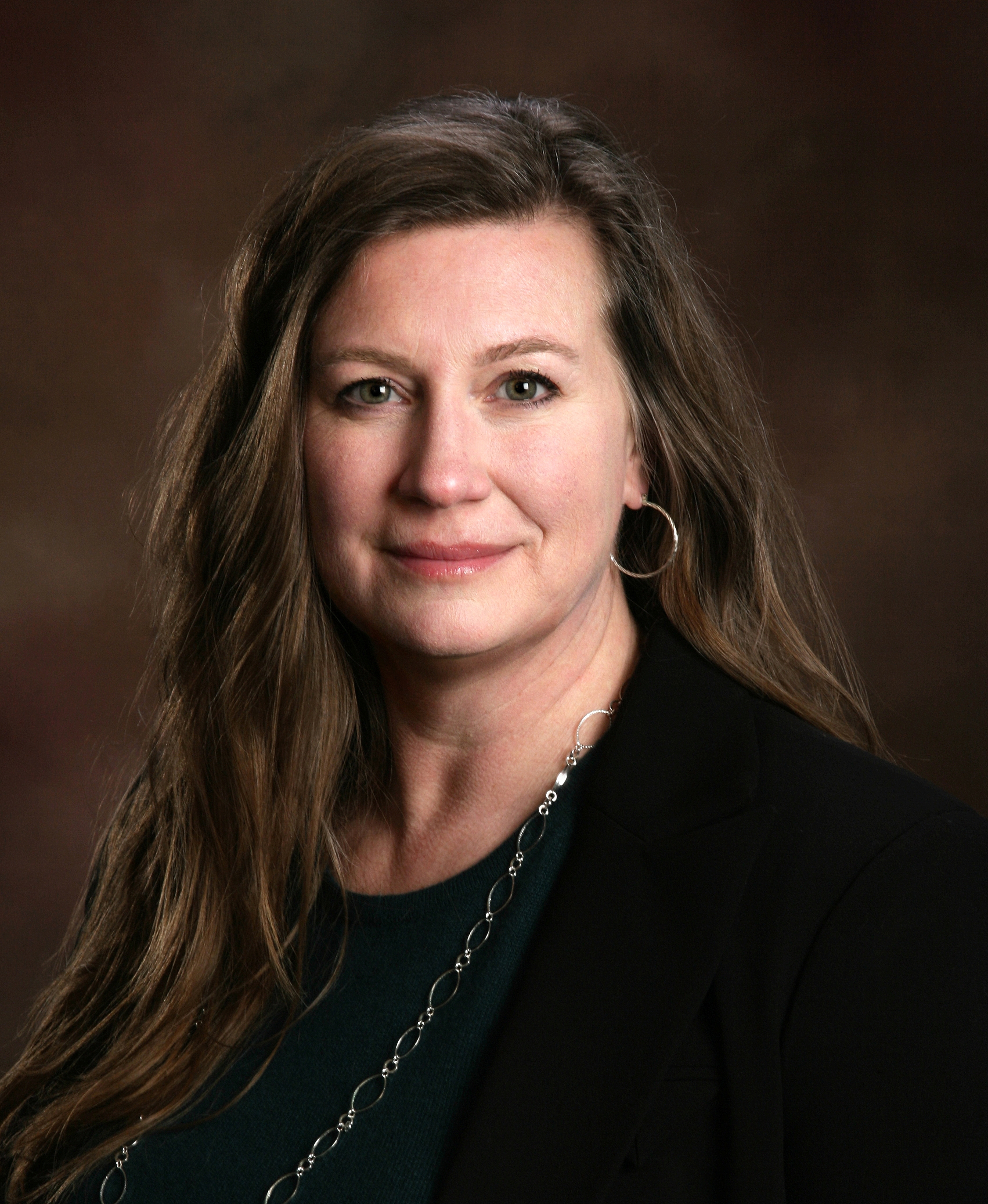
[00:00:40] Speaker A: Well, welcome everybody, to another edition of unbolted. I am M.J. bolt, your host. And with us today, we have Ben Wick, our Spokane Valley City Council member who is running for re election this year. Ben, thanks for being here.
[00:00:55] Speaker B: Hey, thanks for having me. Appreciate it, M.J. you bet.
[00:00:59] Speaker A: I was talking to Ben. This is the first time I've interviewed Ben. I've known Ben for quite a few years, and so I'm excited to interview you and help everyone else kind of get to know you and what you're about and why you continue to put yourself in the midst of politics in Spokane Valley by running for reelection. So this will be really good. And Ben is one of the Spokane GOP recommended candidates as well. He is the recommended candidate for position four on the City council.
So congratulations on that, Ben, and appreciate you running through that process. I think it's an important process because then the, you know, citizens get to know who's been vetted and everything that's been looked at. So, you know, what did you think about that process? Anyway?
[00:01:50] Speaker B: It was good. It's nice to have people that are willing to dig into the issues specific to Spokane Valley and get to know us and ask questions, and then being able to get a little bit of time with all the different PCOs across the community and have a chance where everybody gets to weigh in on the candidate. So it was good, and it's nice to be able to connect with people. So I really appreciate the GOP doing that and getting information out about local races.
[00:02:15] Speaker A: Yeah, it's such an important year. And of course, it's a, you know, it's not the presidential election year, it's not the midterms. And so a lot of people tend to forget about the cycle of elections. And yet I think these are some of the most important races and elections because it's right here in your backyard at city councils, it's school boards.
And I mean, this impacts us the most here as a local citizen.
[00:02:41] Speaker B: Exactly. We're the ones that have the most direct impact on everybody's daily lives, so. Absolutely.
[00:02:47] Speaker A: Well, good. Again, thank you for going through that process. And yeah, I'm hopeful that we can, you know, people will engage with that process more and. And pay attention because it. We really do our homework. Those of us that have been on those committees and vetting our candidates, we ask, you know, we do our research, we do our homework, and then we ask hopefully, some good questions. Right.
[00:03:13] Speaker B: That's you. That they did. That was. It was really nice to see. I mean, I've Been here involved in the city council for a while and my first kind of elections, they were. They were asking a lot of state and national issues. And so it's good to get into the. The local issues and what's going on in the community.
[00:03:28] Speaker A: So yeah, and we, we as citizens, we have to get more involved. We just have to. And it's easy to understand the, the national issues because that's what our, most of our media focuses on. We'll talk about local media here later. But you know, we got to understand what are those issues locally. So it's so important. Ben, you have. I don't. How many terms have you been on the city council now?
[00:03:55] Speaker B: So I'm seeking my fourth term. So I'm in the end of my third term. I did have a little bit of a break in between. So I served one term. I had two years off the council and then I'm back on for two more terms.
[00:04:09] Speaker A: Okay, that's awesome. Well, tell everybody about yourself. I know a little bit about you, but I want everybody else to know about yourself, your background and why you are running again for this position. Maybe why you ran in the first place and what motivates you to continue to serve like this.
[00:04:27] Speaker B: Sure. So I'm actually a fourth generation Spokane Valley ite so my great grandfather came here actually before the state formed. He had a dairy farm where Sprague and i90 is now. So before the freeway went in. He lost that during the Great Depression.
And so they moved kind of back out to Freedman Rockford area before returning to Spokane Valley. My grandfather actually started Spokane Recycling and so he was the one that kind of started the recycling effort back in those days. He also had an insurance company for a while.
He built homes. There's actually a Wick street in Spokane Valley, which is my grandfather's development. Yeah, I know. I always like to go doorbelling Wick street since I have.
And so, yeah, so my dad was on the school board. So I went to East Valley High School, graduated from there as a knight, went on to Eastern Washington University. So I got a degree in computer science.
Actually it started. My involvement started in high school.
And so when I was 18, I was kind of reading through the paper and kind of going, why do we call ourselves Spokane? I mean, Spokane seems like it's got some crazy things going on at the time. And it's like why we're not part of the city of Spokane. Why do we. And happened to read the newspaper at the time. And my parents and grandparents handed me this article where they were talking about incorporation and forming the city.
And so I went to a meeting with then ed Mertens and Dr. Rudy. And so it was put. That coalition was put together by the Chamber, Local Government affairs, the Spoken Valley Business association, with Terry lynch and Ed Mertens, the Community Action Committee. And so I kind of got involved. I did a lot of signature gathering for that effort and worked with them for numerous times.
And we were able to get it all the way through and form the city back in 2003. So I was able to do a lot of effort into that.
I actually ran for city Council the first time back when I was 18.
And it was an interesting. There were 52 candidates that year. I did not make it through the primary.
[00:06:39] Speaker A: So understandably the odds were not good.
[00:06:45] Speaker B: That was good to see so many people interested in being a part of the city at the time.
But through that, I got to go through a lot of the candidate trainings that they did.
So kind of forming. So we're the second largest incorporation in United States history. So there's only one city in the entire country that started out bigger than Spokane Valley did.
[00:07:04] Speaker A: That's crazy. I did not know that we started.
[00:07:07] Speaker B: Out with 82,000 people in the city of Spokane Valley is what they expected. But because we weren't a city, there was no census boundaries. So it was all projected and estimated at the time.
So, yeah, so kind of then went. Since I didn't make it, I got to know our council members, went through all the trainings because they actually started before the election was over.
And so trying to get the city off the ground, the candidates started meeting as soon as the primary was over. So the 14 of them got together and there was. Were kind of open sessions a little bit. So got to go through some of that and got to know them as they tried to get the city off the ground. So I went to college after that at Eastern. I got a degree in computer science from there. So I always wanted to be the guy that would fix the computers. Saw that in high school of kids that would get called out to fix the computers for the teachers and kind of wanted to do that kind of career.
So went. Went to college for that.
Was excited. I commuted back and forth from Spokane Valley out to Eastern every day. And I was like, man, this commute is getting a little long.
And I got a job. My first job was at Goodrich Aerospace. Outside of that, which was one exit closer to Spokane Valley. Yeah, so not a lot closer, but so I got to be a part of their IT group spent about 10 years. They're kind of growing through different roles. At the end I was kind of the IT team lead for their carbon operation. So they make out there. It's not Goodrich Corp. Aerospace anymore, it's Collins Aerospace now.
[00:08:37] Speaker A: Okay.
[00:08:39] Speaker B: But yeah, so they make the airplane brake pads here in Spokane and they have three or two other sister facilities that I was kind of responsible for. So Pueblo, Colorado and Santa Fe Springs, California. So got to do a lot of that.
Kind of grew up in the lean manufacturing world.
So identifying waste kind of process improvements.
I was the first IT person that really kind of jumped into that. And so I traveled around the country a little bit doing that for a lot of their different facilities.
Ultimately, Goodrich Corporation got bought out by United Technologies and they focused on offshoring a lot of it.
When I was left, I was one of two people left in the United States responsible for all manufacturing floor software applications in the country. So 25,000 facilities.
And I said, how do you do that much work? And they're like, well, we don't want you to do the work. We want you to hire a consulting company off out of the country to do the work. As they shifted everything off and it's like, ah, that's not for me.
So I left and went to work for Spokane Industries, which is a family owned operation in Spokane Valley Steel Foundry. So they're the oldest tenant in the industrial park.
Worked for them for about 10 years as well. And then that family sold Spokane Industries to another family and kind of split the company up. And so yeah, so it's been my IC professional background from there back. So I got back on the city council in 2011.
[00:10:18] Speaker A: That was your first year? Okay.
[00:10:20] Speaker B: Yeah.
So kind of got involved again.
Just looking at how much opportunity we have, really wanting to dive in to focus on transportation.
Kind of the Bridge in the Valley concept. Really wanting to continue to reinforce those efforts and get the grade separation project. So kind of taking the roadways off of the railroad tracks. So kind of what we did with Argonne and Trent that the county did before the city form, but wanting to do that and there's a whole plan. So the two railroads, Burlington Northern and Union Pacific cross each other in Athol, Idaho and merge in the city of Spokane. And they get the furthest apart is about a mile that they are apart from each other, but they parallel each other through the Spokane Valley.
[00:11:01] Speaker A: Right.
[00:11:02] Speaker B: So trying to get those two to realign onto a single corridor is the goal.
So kind of got involved at the city when Bill Gothman actually retired and said he wasn't going to go again.
And so I was working with Bill, got to know him very well, and he endorsed me for taking his spot on the City Council and barely made it through in my first election, but got in there and served for my four years on the council with that and got up and was challenged by another council member at the. At the re election point and lost by 48 votes.
[00:11:43] Speaker A: Matter. Every.
[00:11:43] Speaker B: Every vote does matter. Exactly. Wow. And that year there. There was no. There was no interviews, there was no candidate forums. Nobody did anything for. For local candidates.
[00:11:56] Speaker A: Wow.
[00:11:56] Speaker B: And so it was just really rough going. Gosh.
I know there's big changes coming because I was the swing kind of vote on the city Council.
And so it's like, gosh, how do we get the word out about what's going on at City Hall? How do we get more engagement?
And so I was on my way to the last. So I served on the SNAP board while I was on the City Council, Spokane Neighborhood Action Partners.
And I couldn't be on their board anymore once I wasn't elected official. So I was going to their last board meeting before my term ended up, and Craig Howard at the time worked for them.
And he says, you know, the Liberty Lake and Valley paper are going to close because the current owner doesn't want to do it anymore.
And I said, well, I'm an IT guy, right. I'm engineering, math. English was not my forte.
He says, well, you should talk to him and see. And that's like, okay, well, I'll go home and talk to my wife. And so I went home and talked to Danica, and it was my wife and thought she was going to just laugh at me about buying a newspaper.
And she said, you know, why don't you go talk to Josh? And so just kind of prayed about it and really looked into it. And two weeks later, we announced that we were buying the newspaper and changed it from last edition to new owners.
Wow.
[00:13:15] Speaker A: And so, yeah, Liberty Lake Splash. And was it the Current at the time?
[00:13:20] Speaker B: It was. It's. It's the Liberty Lake Splash and the Spokane Valley Current. So there are two monthly newspapers or news magazines now.
And so, yeah, so we bought those and went from being on the dais to reporting on city council.
And so.
[00:13:34] Speaker A: And that was what year, Ben?
[00:13:36] Speaker B: That was 2015.
[00:13:39] Speaker A: All right.
If you don't know about the Liberty Lakes Flash or the Spokane Valley Current, you should, right?
[00:13:46] Speaker B: Absolutely.
[00:13:47] Speaker A: And if not, look into it. But here's your owner.
Good. Yeah, it's been a great resource. I've always been super impressed with how you report local information and, you know, about local happenings and local citizens as well. It's been very impressive.
[00:14:05] Speaker B: Yeah, we've been trying to focus on that hyper local. So we try to make sure everything has a local connection. Doing nonprofits or community members.
High school sports. Right. None of the professional sports, but what's going on in the high school. So, yeah, it's been a lot of fun.
[00:14:20] Speaker A: Yeah, for sure. So that leads you to then what, your next running.
[00:14:25] Speaker B: Yeah. So then. So then two years later, I'm trying to find people to run for city council and couldn't find a lot of people to step forward. So my wife said to me, you either let us move or get back involved again. So I put my name forward and won reelection. So I got on the council. And then in 2020, little did I know that there would be a pandemic three months later. But I became the mayor. And so I served as the mayor for the city for 2020 and 2021.
[00:14:53] Speaker A: Yeah, some very interesting years.
[00:14:56] Speaker B: Very interesting years. And I happen to be the chair of the regional board of health as well. So I was the health board chair and mayor for the city as we entered the pandemic and made it through the pandemic. So some long days there, but as I said, all the work, but none of the fun because I didn't get to cut any ribbons or do any of that side of it. But it was. It was some challenging times.
[00:15:23] Speaker A: Yeah. Oh, I bet. And I'm sure you heard from a lot of people about how they felt about, you know, good, bad and otherwise about some of the policies and things. I mean, it just had to have been a crazy time for you.
[00:15:39] Speaker B: It was. Well, it was. It was a strange time because we'd all get together and we. We tried to be united. So I got all the mayors together, and we all stood together with our health officer at the time and said, by gosh. And this one just rings true to my mind of we said, okay, we're not going to close the schools. We're going to keep kids in school.
And so we all stood together up there at the press conference next to our health officer and said, we're not going to close the schools. We have this going on in the community, but we're not going to close schools. We didn't even get off the stage before the governor went on and closed the schools. And it's like of all that, we coordinated with everybody. We're Trying to keep it all together and we don't even get off stage before the governor overruled us. And so it's like, man, so yeah, it was, it was interesting times trying to keep the communication channels and keep decision makers and keep the communication going and trying to make what's best for our community.
[00:16:31] Speaker A: Yeah. And that's why it is so important to be involved in local politics and local governance. Because so much, you know, it's almost kind of like what you're talking about with the IT work. It's like, you know, they, they took it offshore. I mean, they kind of punt. A lot of the policies have, you know, caused a lot of the governance to go to the state. Including schools, right? Including cities, unfortunately. And that's been legislated, correct?
[00:16:58] Speaker B: Yeah.
[00:16:59] Speaker A: And they're taking more and more power. So that here you had.
It sounds like a consortium of local leaders that agreed, let's keep this local, let's not close schools. And yet you were Trump for less, lack of a better word by the state.
[00:17:17] Speaker B: Yep. And we even included them in the part of the. This conversation. But they still went ahead and preempted us. But.
[00:17:25] Speaker A: Yeah. Wow.
Very interesting. And so let's see. So you've been settled down probably a little bit the last few years.
[00:17:34] Speaker B: Yeah, last few years I got on. So I'm also the city. So I'm on the board for the association of City Council. So I serve as the eastern region. So east of the Cascades, all large cities, over 5,000 in population.
So now we have a city of. We're actually the eighth largest city in the state, but I represent all cities over 5,000.
We have about 110,000. Right now it's Spokane Valley. So on the larger side, but represent all those cities to the association.
And I also serve as one of the two city reps for the state's Freight Mobility Strategic Investment Board. So kind of directing state resources towards advancing road projects that help impact the movement of freight or lessen the impacts of the freight movements on communities.
[00:18:22] Speaker A: Now, are there other boards or organizations that you serve on as a representative from the council?
[00:18:29] Speaker B: Yes. So I also serve as representing all cities in the state on the Municipal Service and Research center board. I'm actually their vice president right now. So kind of going through the chair that organization and that's an independent organization that can answer questions for all local officials.
So it's kind of a nonprofit, but we run also do the small works roster to try and help provide efficiencies for local governments as well. So Any city council member across the state can ask them questions. And so we have a whole bank of attorneys that provide independent advice and education for local government officials. So, yeah, so I serve on that board as well. And then I've been in the local community. I've been the president of the Spokane Valley Kiwanis Club for three years now. I just recently. So now I'm technically past chair.
I just handed off to the next. Next president on October 1st. And so. But, yeah, I've been heavily involved with that organization as well.
[00:19:26] Speaker A: And they're very involved in the community. I know we've done some neat projects. You know, I've seen them throughout the years as well, so.
Very good. Well, you're very involved. And it's pretty neat, Ben, that you have such a root in the history of the valley itself. I mean, from when you're in high school, you know, helping to.
To, you know, get the city incorporated. That's pretty amazing. I didn't realize that.
[00:19:50] Speaker B: Yeah, it's been fun. It was interesting. So my grandfather, who had. Had developed the Wick street and started the recycling plant and other things, he. At his funeral service, one of his friends handed me the paperwork where he filed for the incorporation effort back in the 40s.
So it was interesting to see kind of the evolution because there were so many different attempts to transform the city of Spokane Valley, but had to see that history of. He was one of the signers back in the 40s to transform the city.
[00:20:19] Speaker A: Wow. Yeah. So if anybody. Anyone wants to talk about why Spokane Valley and its roots, that's pretty amazing. So, Ben, what is your vision for the city of Spokane Valley?
[00:20:32] Speaker B: You know, to me, it's about the city of opportunity, trying to come up with what opportunities there are. Because we have so many of them.
We're really kind of tailoring, trying to support our business community. So we have not taken any tax increases in this book in value or for property tax increases in 16 years. So we haven't even taken 1%.
We focused on growing the economy.
And so that way, kind of that rising tide raises all boats.
That's how we've been funding the city. We also have a very big emphasis on pay as you go.
Virtually no debt as the city goes, so there's no bond payments. We all live on the means that we get each year, but we should be taking a little more proactive approach at that. So we've been trying to put more money in. So we know on, let's say, our infrastructure. Right. For roads.
Every dollar we invest today in maintenance and preservation. We save up to $8 in the future from having to rebuild the road.
And so it's trying to make more of those strategic investments around.
We've been able. Very successful at leveraging our dollars. We've been advancing these grade separation projects, which is where we take the road above or below the railroads. We're building pines right now. I don't know if anybody's driven by that lately, but that one's a great success. And we're going to see that come to fruition here very shortly.
We built Barker. We took Barker up and over the freeway or the Trent there and the railroad tracks. These are $40 million projects.
80% of that, though, is us returning your tax dollars back to our community. So 80% of that is coming from the federal and state governments to match the local monies coming in.
[00:22:13] Speaker A: Wow.
[00:22:14] Speaker B: So it's been great to kind of continue to advocate and get those projects going.
[00:22:19] Speaker A: Yeah, for sure.
Ben. And you have an opponent in this race. So you, you are campaigning. Why should people vote for you over your opponent?
[00:22:30] Speaker B: You know, I'm just focusing it back on me. So me, I. I have that big philosophy of low taxes, not doing tax increases, trying to invest in our infrastructure, pay as you go, no debt philosophy and open door. I'm out there in the community. Love to hear from people. If you have any other ideas or suggestions, love to hear from that as well.
And about trying to just make sure that we're focused on our local community.
[00:22:58] Speaker A: Yeah, yeah. So important. And it's unique too, because we're still in Washington, but we live right on the border. And so keeping it right of Idaho. So keeping it.
People incentivized to do business in Spokane Valley is a unique dilemma, a challenge opportunity. Do you want to talk about?
[00:23:19] Speaker B: Exactly. Right. Well, I mean, it's. It definitely presents some challenge. It's a little frustrating sometimes to see some of the bigger stores kind of move over to Idaho and. And we get it. But we try to be as. As business friendly as we can given that some of the challenges that we have. So we've been focusing a lot on permitting and how do we be more efficient and friendly as a permitting environment for doing construction projects in Spokane Valley. How do we help do some of the analysis and just kind of bring our a game to customer service in that. And we've gained a lot of notoriety because of our permitting system.
We have one of the most efficient permitting systems in the region, if not the state. And so we help do a lot of business expansion.
We had in the. Actually last month some of our reports came back where we permitted more value in that month than our five year average. So no single month in the last five years have we permitted as much value as we did. I think it was like $120 million in valuation in one month.
And so it was significant. Our five year average is about 20, 20, 25 million a month and we did 120 million.
[00:24:36] Speaker A: So there was more business is coming.
[00:24:38] Speaker B: Into the community, more construction is coming in. So businesses and residential kind of combined in that. No singular project was really stuck out in that. So it's just a number of projects happening and coming. So.
[00:24:51] Speaker A: Yeah, that's good to see.
Very positive statistic. I, I had not heard that. So. And surprising, quite honestly, with everything that's going on in our state right now, it's very, I think that's really important for people to understand, you know. Yes, the state politics, or maybe even the national politics tend to dominate, you know, again the news. But here, right here where we live, what's happening and that's what's truly affecting us, you know, here in our backyard. Right. And probably, you know, help spread that message so people understand.
Just because you're hearing about what's going on in Seattle or state, Paul, you know, state policies doesn't mean it's negative. All negatively impacting us right here.
[00:25:37] Speaker B: Right, exactly. Well, we've, we've actually so kind of the state. So one of the other areas that we've been focusing on a lot more, and I'm on our city's public safety committee as well, but we looked at the number of officers that we have for police officers. How do we compare? We always hear the statistic locally about how the state of Washington ranks 51st out of 50 states. We're the lowest officers per capita for.
[00:26:01] Speaker A: The states right in the nation.
[00:26:03] Speaker B: So we're below even the District of Columbia. So we have less officers per capita than everywhere in the country. And so how do we combat that? What is our needs? And so we commissioned a study to look at what are our needs. Based on the workloads and the call volume that we have, we found we were 30 officers below what we needed in the city, in the city of Spokane Valley.
[00:26:25] Speaker A: Wow.
[00:26:25] Speaker B: And so we took a look at it and reprioritized our existing revenues and brought on 12 officers last year, which is actually this year now.
So we got those all hired up and they're in our department.
And then we went forward to the public for a public safety sales tax initiative which passed and so we're looking to add another 10 officers next year into that. So we'll have 20 plus new officers for Spokane Valley just to increase the level of service in Spokane Valley, which is great.
We've seen a lot of benefits from that already.
Kind of strategic investments we've been making to try and grow the economy to sustain that.
We've looked a lot about youth sports. So I don't know if you've been following what's happening in youth sports in Spokane Valley.
We found a parcel back when I was mayor that the department of transportation at the state had 40 acres on the river that they were burying their roadkill.
It's like, are you kidding? 40 acres on the river? On the river.
I think you can find a better spot to bury your roadkill. So we talked with them and purchased the property from the state and then asked the state legislature and they gave us half of our money back. So we got 40 acres on the river for about a million dollars.
And we have since turned that into a national caliber cross country course. So it's called the Course.
It's on Flora Road there. And that's going to be opening here next month.
We were far enough into construction that we're going to actually open for two tournaments this year. So we've already booked out a number of NCAA tournaments. They're going to come to Spokane Valley for the cross country course and they're going to start next month. We just announced.
[00:28:07] Speaker A: So that is neat. I had no idea.
[00:28:10] Speaker B: And we had that going on. And then we purchased another property that DOT had on Sullivan, kind of north of Sullivan park from the dance hall and the RC racetrack there.
And we have a donor, a private donor that has come forward wanting to build a $44 million ice complex for skating. Ice skating complex. So hockey.
[00:28:37] Speaker A: Wow. Right here in Spokane Valley.
[00:28:39] Speaker B: Right here in Spokane Valley. At no cost to the taxpayer.
And so this is a gentleman, that he grew up in Spokane Valley and wants to leave a legacy. He's tired of seeing his grandkids and kids have to get up at 2 in the morning to practice hockey. And so he's donating a facility and building out commercial space around that that will offset the operational expense moving forward. So a net, a net neutral for the city to have this community amenity.
[00:29:08] Speaker A: So that's awesome. That is so awesome. Good things are happening in Spokane Valley.
[00:29:14] Speaker B: We have a lot of great things. Yeah.
[00:29:16] Speaker A: So Ben, how do you plan, how do you right now connect with your. The community members? You know, it's of course important when you're running a race and you're campaigning and you're trying to get every vote, but, you know, once elected, how do you maintain those open lines of communication? I know you have a city council. People can come and speak at the city council meetings, but that's, you know, somewhat intimidating for some or somewhat formal. How do you maintain those open lines of communication once you're reelected to make sure that you're hearing from citizens?
[00:29:52] Speaker B: You know, we tried a number of different things. So we have public comment, period. Any council meeting, if anybody wants to talk, we actually do it at the beginning and the end in case something comes up for somebody to be able to talk during a council meeting. And we meet every Tuesday.
[00:30:07] Speaker A: Just want to point out a difference between Spokane and Spokane Valley.
That's a big difference right there.
[00:30:14] Speaker B: Yep. Thank you for doing that, and no problem. And we also allow you to testify via Zoom if you can't come in person as well, just let us know before the meeting starts so we can make sure to admit the right person.
But we also recognize that that's not as informal as some people want to just have conversations. So we started a council conversations.
So once a month, the hour before the council meeting, you can come down to City Hall. We have a number of our directors there, and all of our council members are typically there that you can come up and just have individual conversations about any topic you want. We try to rotate through to kind of highlight some different topics that we're talking about or coming up on our agendas. But that's an informal period that people can talk to us at as well.
And then I like to go out and do. I'm trying to go to as many ribbon cuttings as I can for the business community in the chamber, but also getting involved with the schools and quantas. So with Kwanhas, we encourage them. We actually hosted three free movies in the park this summer. So I was out there.
We bought the equipment and got Qantas to do it. So again, no net expense to the city, but just community members being able to kind of enjoy the different aspects of our city. So I'm out there try and do at least one service project every month with Kiwanis. So.
[00:31:27] Speaker A: That's awesome. That's awesome. Yeah, that's important to. To maintain those open lines and. And be out there for people to, you know, approach you and. And maybe share their thoughts, always, hopefully in a civil manner.
I know people can get frustrated, but, you know, we have our city council members that are working very hard to try to you know, figure out the sweet spot, if you will, to use a golf term. Right. Figure out the right policies that will work for everybody.
Final comments Ben, anything else that you want to make sure people know about you or your policies, your priorities are the things that are important to you.
[00:32:08] Speaker B: You know, for me again it's kind of coming back down to the infrastructure. So trying to prioritize our strateg streets and infrastructure investments, going after that preservation and maintenance dollars and continuing to enhance our public safety. Maybe there's some technology enhancements that we're continuing to start to look at.
Civility, leadership and maintaining our fiscal responsibility is kind of my platform.
Also open door policy. Feel free to email me. I mean campaign related questions. You can email
[email protected] or if it's city council stuff, feel free to to email us at the council as well. You can email all of your city council members by going City CouncilPokan Valley wa.gov or if you want to reach out to me individually as a council person, it's Bwick.
Spokanevalleywa.gov Awesome. Love to hear from you.
[00:33:02] Speaker A: Yes, you need to reach out. How is participation at your, your meetings, your council meetings?
[00:33:08] Speaker B: Now it depends on the topic.
When we were talking about this new hockey ice rink we had the room was packed and so we had a lot of kids and everybody there.
But I mean we don't get too many visitors typically so we probably have a standard five or six that come every week. But.
[00:33:30] Speaker A: Tell everybody when your meetings are so sorry.
[00:33:33] Speaker B: We meet every Tuesday at 6pm at City hall which is there on Sprague and just, just west of University. So.
[00:33:41] Speaker A: Right, right 6pm Every Tuesday.
So eight days until ballots drop. And of course we, you know, we get our ballots a few weeks ahead. So yeah, probably the end of next week we're looking at ballots dropping and 27 days until the general election November 4th. So it's coming right up.
So you know, get your ballots, don't just stick them in a pile, vote, don't vote by mail. Take them into the Dropbox or take them downtown. You know, holler at any of us Valley.
[00:34:13] Speaker B: So in Spokane Valley that we have a, we do we dedicated Center Place. And so Center Place has you can actually if you even if you haven't registered to vote, you can go into Center Place, register to vote and get a ballot there on election day.
[00:34:26] Speaker A: Oh, that's good to know. I didn't, I forgot about that. And then there's a few drop. So is that a Dropbox Area as well.
[00:34:33] Speaker B: There's a drop. There's a drive through Dropbox there at the Senior center part at Center Place, as well as you can do to. Any of the Spokane Valley libraries have the drop boxes as well.
[00:34:43] Speaker A: Right.
[00:34:43] Speaker B: So up until 8 o'. Clock.
[00:34:45] Speaker A: Up till 8 o' clock on November 4th. So you have no excuse not to vote now. You know the candidates and if you don't contact any of us or go to the Spokane gop.com where you can see the recommended candidates for. We vetted everybody and, and we have those recommendations. It's so important to vote. And like Ben shared, he had a race that was decided by 48.
[00:35:07] Speaker B: 48. Yep. 48 votes was all that made the difference between who won and who lost.
[00:35:12] Speaker A: So, yeah, and we need our. Our cities matter. We need our cities to continue to go in the right direction. What I appreciate that about you is your attention to detail. I mean, all you have to do is look, you know, go through one of their papers and. And you have a new one out in West Plains too, right?
[00:35:29] Speaker B: Yeah. So glutton for punishment. I started a third newspaper about a year and a half ago out in the West Plains, so it serves the Medical Lake, Airway Heights and the Air Force Base, so kind of getting out there. So.
[00:35:41] Speaker A: And that one's called. What is that one called?
[00:35:42] Speaker B: It's the West Plains Stream.
[00:35:44] Speaker A: Okay. The West Plains Stream. So you got the Spokane Valley Current, you got Liberty Lake Splash, and now you got the West Plains.
So if you're in any of those communities, and, and that's what I mean, even you guys keep up with crime, you keep up with a lot of the local issues like you talked about. I mean, these are great resources. So I love that you have somebody that's so dedicated to the community on our city council representing, you know, voices like mine, who is a citizen, you know, all of our citizens. I know it's hard to please everybody, but that's what's so important. And thank you for all your years of service, Ben, on the city Council, because it definitely is not a lot of fanfare. It's hard work and probably not real easy all the time, right?
[00:36:30] Speaker B: Not always, no. Usually more work than ease, but it's great.
So many good things.
[00:36:36] Speaker A: Yeah, for sure. Well, thank you again for coming on here and sharing with everybody about yourself and why you're running again.
And we really appreciate. And I open door, like, if there's something that's coming up, I trust that you're gonna get reelected. You know, if there's something that you want to come in and share with the community that maybe people aren't aware of, please feel free to use this. I'd love to partner with y' all and and use this as a tool to get the information out there.
[00:37:04] Speaker B: All right, Will do. Appreciate it.
[00:37:06] Speaker A: All right. Thanks, Ben. Take care. Blessings, Sa.
[00:37:35] Speaker B: Sam.